
Web analytics is necessary before spending even a dollar on both PPC ads and SEO, playing a foundational role in the success of both channels. In Digital Marketing, investing money without a robust tracking & measurement plan is like flying an airplane at night without light. You have no idea how close you are to burning your marketing budget.
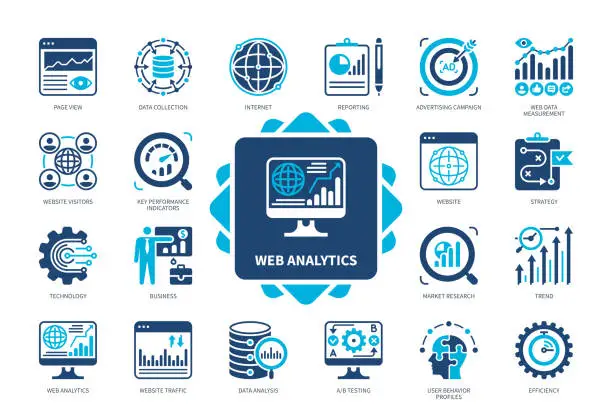
Here is how web analytics drives performance across each:
- For PPC Ads: Web analytics is critical because every dollar spent is directly tied to a measurable return. It helps you track conversions, calculate Return on Ad Spend (ROAS), identify broken landing page links, and pinpoint which specific keywords or ad variations are wasting budget or driving revenue.
- For SEO: Web analytics is equally vital for organic search strategies. It allows you to monitor which blog posts and resource pages are attracting organic traffic, measure user engagement metrics like bounce rates and time-on-page, and identify content bottlenecks to continuously improve search rankings and user experience.

Ultimately, while PPC brings immediate traffic and SEO builds long-term organic growth, web analytics serves as the single source of truth that measures, optimizes, and proves the ROI for both strategies.
This precision is unlocked through a separate discipline: web analytics.
Table of Contents
ToggleA Tale of Two Electronic Stores: Business A vs. Business B
To understand the difference that web analytics makes, consider two competing e-commerce companies, both selling high-end electronic products like noise-canceling headphones, smart home hubs, and ultra-wide monitors.
Business A: Driven by Data and Insights
Business A sells the same type of electronic gear, but with a drastically different approach. They treat their website as a dynamic ecosystem governed by data.
- Business A uses web analytics tools to track user behavior down to the individual click, scroll depth, and funnel drop-off point.
- When they notice an unexpected spike in cart abandonment on their wireless earbuds category, their analytics dashboard immediately alerts them that a hidden shipping fee is shocking buyers at the final checkout step.
- They instantly test a free-shipping banner, monitor the conversion impact in real-time, and salvage thousands of dollars in otherwise lost sales.
Business B: Operating in the Dark
Business B has a sleek website and a massive digital marketing budget. They run heavy PPC ads on Google, push promotional videos across social media e.g., Facebook, Instagram, LinkedIn, and sponsor tech bloggers. On paper, traffic looks decent—thousands of visitors land on their product pages every single day.
However, revenue is flatlining, and profit margins are shrinking.
- Why? Because Business B has no visibility into what happens after the click.
- They don’t know that their mobile checkout page has a broken JavaScript button causing a 40% drop-off rate on iPhones.
- They continue pouring money into an expensive display network campaign that brings in high traffic, but zero paying customers, because those users bounce within three seconds.
- Without web analytics, Business B is essentially burning cash to fill a leaky bucket.
While Business B struggles to justify its marketing ROI, Business A scales aggressively, cutting waste from underperforming channels and doubling down on campaigns that actually drive revenue.
Understanding Web Analytics (And Its Familiar Industry Synonyms)
Before diving deeper into how this discipline fuels growth, it helps to understand the terminology. Depending on who you talk to in a corporate boardroom or a digital marketing agency, web analytics goes by several alternative names and synonyms, including:
- Marketing Analytics: A traditional term often used to describe high-level traffic metrics like page views, unique visitors, and session durations.
- Digital Analytics: A broader term that encompasses tracking data not just from websites, but also from mobile apps, Internet of Things (IoT) devices, and multi-channel digital touchpoints.
- Data Analytics: Focusing heavily on the exact path a user takes across a website—what they click, what order they view pages, and where they exit.
- Business Analytics: A strategic view emphasizing business insights, market trends, and competitive benchmarking derived from web data.
How Web Analytics Powers Business Growth (With Real Examples)
Investing in digital marketing without web analytics is a guessing game. Web analytics transforms raw data into actionable blueprints for scaling a business. Here is how it drives exponential growth:
1. Conversion Rate Optimization (CRO)
Getting people to visit your website is only half the battle; turning them into paying customers or clients is where profitability lies. Conversion Rate Optimization relies entirely on web analytics to uncover friction points.
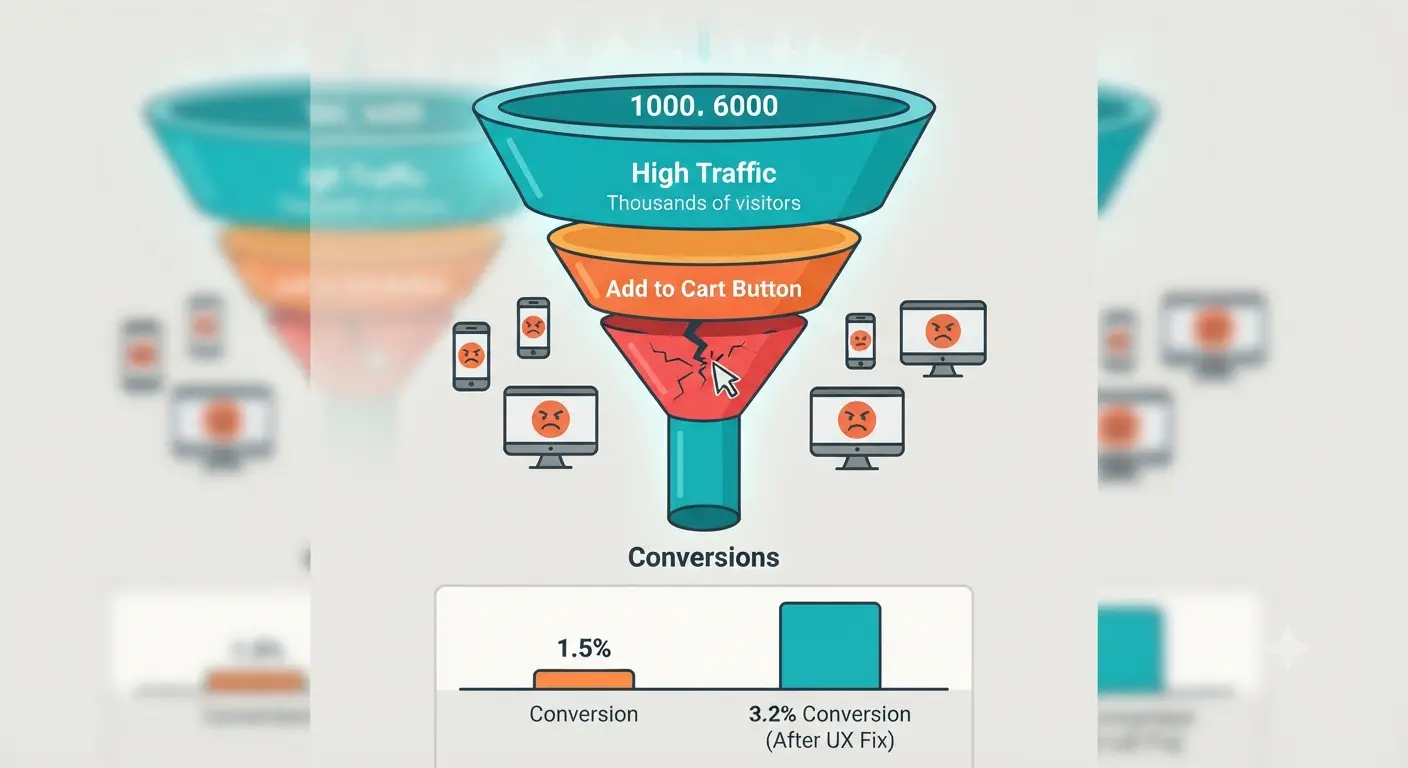
Real-World Example: An online electronics retailer notices through their analytics platform that their “Add to Cart” conversion rate is sitting at a low 1.5%. By utilizing funnel visualization reports, they discover that users are abandoning the product page because the technical specifications tab requires too much scrolling. By moving specs above the fold and adding a comparison chart, conversions jump to 3.2%, doubling revenue without spending an extra dime on traffic acquisition.
2. Bounce-Rate Identification and User Experience (UX) Fixes
The bounce rate tells you the percentage of visitors who land on your site and leave immediately without interacting further. A high bounce rate on an expensive landing page means your marketing promise doesn’t match your web reality.
Real-World Example: A B2B software company runs LinkedIn ads targeting enterprise executives, driving them to a new landing page. Their analytics tool reveals a shocking 85% bounce rate on mobile devices. Digging deeper into session recordings and device breakdowns, they realize the main headline text overlaps with a background image on smartphone screens. Fixing the CSS styling drops the mobile bounce rate down to 40% and immediately increases demo bookings.
3. Campaign Attribution and Budget Allocation
Not all traffic is created equal. Digital marketers often run ads across Google, Facebook, Instagram, LinkedIn, and YouTube simultaneously. Web analytics provides multi-touch attribution, clarifying which specific channel, ad creative, or keyword phrase delivered a high-value customer.
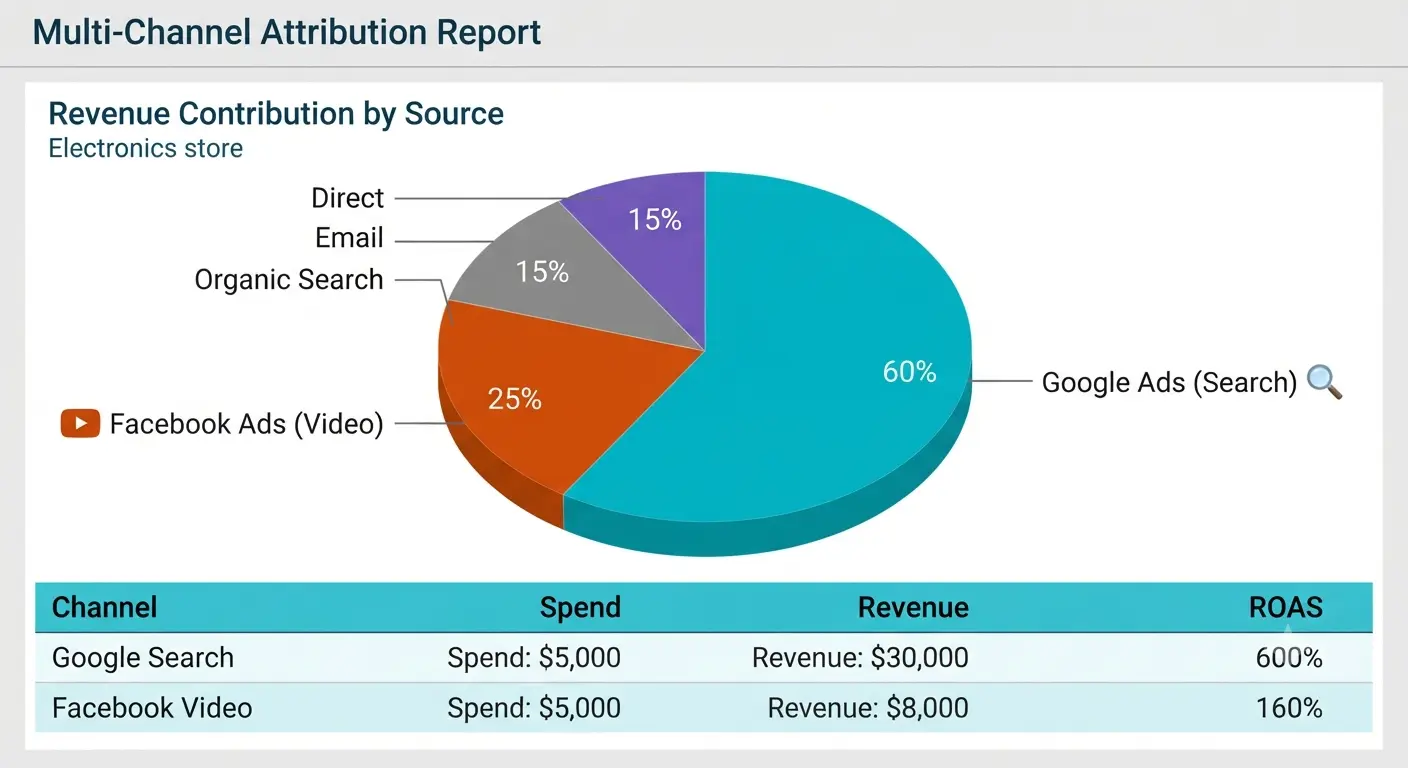
Real-World Example: An e-commerce brand spends equal amounts on Facebook video ads and Google Search text ads. While Facebook generates more top-of-funnel clicks, web analytics attribution modeling proves that Google Search converts at a 5x higher rate and brings in customers with a higher lifetime value (LTV). Armed with this insight, the marketing director shifts 70% of the budget to Google, instantly optimizing their return on ad spend (ROAS).
Major Tools Used in Web Analytics
The web analytics software market is robust, with businesses utilizing specialized tools ranging from enterprise suites to privacy-first platforms. The major players dominating the industry include:
- Google Analytics (GA4): The undisputed industry standard for tracking website traffic, user acquisition channels, event tracking, and conversion paths across millions of global websites.
- Google Tag Manager (GTM): A critical tag management system that enables marketing and data teams to easily deploy, update, and manage tracking codes and pixels without modifying the underlying source code.
- Google Data Studio (formerly Looker Studio): A powerful data visualization platform that connects to various data sources (like GA4, Google Ads, and Google Search Console) to build custom, dynamic dashboards and client-facing reports.
- Hotjar: Behavior analytics tools that complement traditional stats by providing heatmaps, scroll maps, and session recordings, showing exactly where users click and drop off visually.
- Microsoft Clarity: A completely free, traffic-unlimited analytics tool providing core heatmaps, session recordings, and frustration metrics like rage clicks
Beyond Traffic: Other Critical Benefits of Web Analytics
Aside from CRO and campaign attribution, integrating web analytics into your digital strategy unlocks several hidden advantages:
- Audience Segmentation: Understanding user demographics, geographic locations, and technology usage (desktop vs. mobile) allows for hyper-personalized messaging.
- SEO and Content Performance: Tracking which blog posts or resource pages attract organic search traffic helps refine content marketing strategies.
- Real-Time Monitoring: Spotting server errors, sudden traffic drops, or viral social media surges the moment they happen allows growth teams to react instantly.
Conclusion
Digital marketing and web analytics are two sides of the same coin. Running digital ads without measuring user behavior is a fast track to wasted budgets and missed opportunities. By tracking the right metrics, eliminating conversion bottlenecks, and allocating your marketing spend based on hard data rather than guesswork, you can transform your website into a predictable, high-converting revenue engine.
Ready to Scale Your Digital Growth?
Stop guessing where your marketing budget is going. At Soriox, we specialize in designing high-performance websites, data-driven digital marketing strategies, and advanced tracking architectures that turn visitors into loyal customers.
Did you set up tracking on your website? If not, book a free session.
- Email: amir@soriox.com | contact@soriox.com
- WhatsApp: +880 1718 562578