
Table of Contents
ToggleWhy do Dentists, Doctors and Medical Clinics Need Digital Marketing
Dentists, doctors, and clinics need digital marketing because modern patients search online, read reviews, and compare local health providers before booking an appointment. Without a web presence, medical practices miss out on local patients, even if they offer great care.
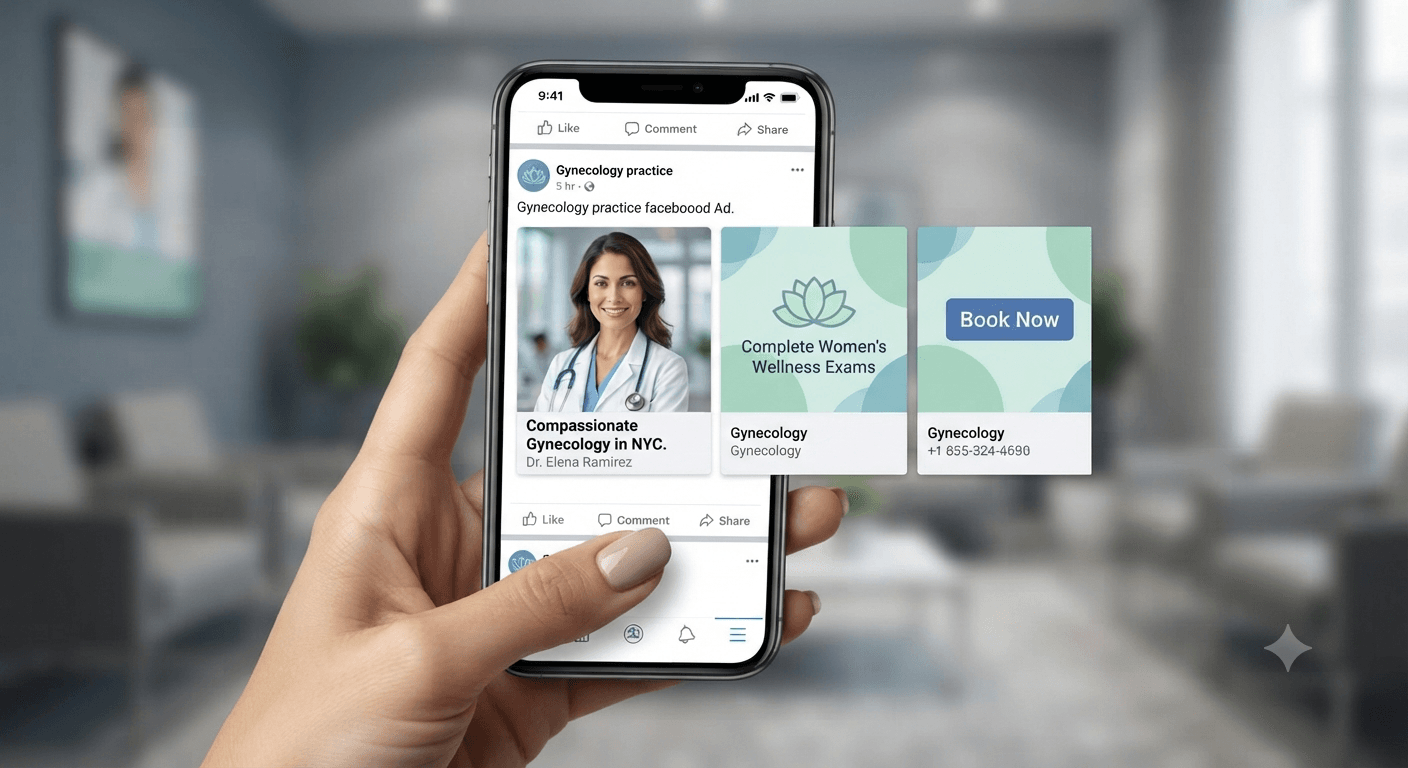
Digital marketing is the strategic use of online channels to be found when potential patients search for dentists and doctors. Unlike obsolete traditional methods that like medical billboards or words of moth, digital marketing focuses on precision. It leverages search engines like Google; social media platforms like Facebook, Instagram and websites. Millions of patients are continuously searching Google, typing –
- ‘Best root canal dentist in New York’
- ‘Back pain doctor in London’
- ‘Emergency orthopedic doctor near me for leg injury’
Most of the patients search Google by illness symptoms as they are not familiar with medical terminology & specialties of doctors.
For modern medical practices, thousands of dentists & doctors have been adopted digital marketing not to lag behind their competitors. They know that digital marketing is the backbone of modern medical industries to get patients. It allows you to track every cent spent and measure the exact return on investment (ROI) in real-time.
How digital marketing helps
dentists and doctors in patient acquisitions:
To truly understand why digital marketing is superior for scaling modern dental & medical practices, we must look at its core characteristics:
- Measurability & Analytics: You can track exactly how many people saw your ad, clicked it, and converted into a lead (potential patients). There is no guessing—only data.
- Hyper-Targeting: You can show your marketing content specifically to people based on their age, location, interests, and even their search behavior (e.g., targeting someone searching for “diabetic doctor in Toronto”).
- Two-Way Interaction: Unlike a TV ad, digital marketing allows for engagement. Patients can comment, message, and interact with your brand instantly, building trust faster.
- Cost-Effectiveness: You can start with a small budget and scale up only when you see results. This makes it accessible for startup dental & medical clinics while remaining powerful for multinational firms.
- Global Reach: Your practice is no longer limited by geography. You can reach a local neighborhood or a global audience with the same set of tools.
Why Data Beats Guesswork
In the past, marketing was often a “spray and pray” approach. You bought a billboard or a TV slot and hoped your audience saw it. Today, data allows us to see exactly who is clicking on your ads, marketing content, what patients are searching in your website, why they are leaving, and what triggers an appointment booking.
By leveraging data, dentists & doctors can:
- Stop Wasting Budget: Only spend on channels that show a clear Return on Ad Spend (ROAS).
- Personalize the Journey: Show a specific ad to a person based on their unique behavior.
- Predict Trends: Use historical data to anticipate what your patients will want next month.
Comparison: Old Marketing vs Data-Driven Digital Marketing
Feature | Old (Guessing) Marketing | Data-Driven Digital Marketing |
Targeting | Broad / Demographic-based | Hyper-specific / Behavior-based |
Cost | Fixed & High (Upfront) | Flexible & Scalable (Pay-per-Result) |
Feedback | Delayed (Weeks/Months) | Real-time (Instant) |
Optimization | Static (Hard to change) | Dynamic (A/B testing daily) |
ROI Tracking | Estimated / Correlation | Direct Attribution |
Budget Allocation: Where the Winners are Spending
In a typical high-growth firm today, the allocation of marketing efforts has shifted heavily toward measurable digital channels.
Estimated Marketing Budget Split 2026:
Data-Driven SEO & Search ads: 65%
Social Media Ads: 20%
- Web Analytics: 15%
The Bottom Line
In a world where AI-driven tools are constantly analyzing consumer behavior, “guessing” is no longer a viable business strategy. If your marketing isn’t backed by hard data, you aren’t just falling behind—you are not found to your potential patients.
To stay relevant, focus on building a marketing engine that learns. Every click is a data point; every data point is an opportunity to increase your revenue.
If you are a dentist or doctor and/or clinic owner and want to get patients by digital marketing, website design & development, click here to contact with us. We would love to help you. Thank you!